

The Evolving Demands of Clinical Documentation
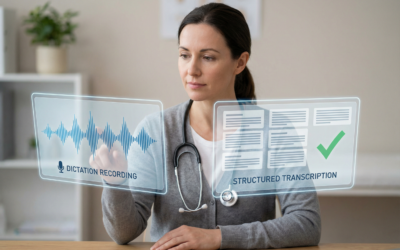
Healthcare documentation has grown more complex over the past decade. Regulatory requirements, value-based care initiatives, and expanding diagnostic codes have all added layers to the clinical record-keeping process. At the same time, physician panels have grown larger, visit windows have shrunk, and the pressure to produce complete, compliant notes has never been greater. The result is a documentation environment that is genuinely difficult to manage without dedicated tools. Clinical documentation software has emerged as the category of technology built to address exactly this challenge.
Core Capabilities That Define Quality Platforms
Not every clinical documentation tool is created equal. The best platforms share a set of core capabilities that distinguish them from basic transcription or note-taking applications. AI-driven note generation, specialty-specific templates, and deep EHR integration are the three pillars worth evaluating first.
Beyond these fundamentals, leading clinical documentation software platforms offer real-time feedback on note quality, compliance flagging for missing documentation elements, and performance analytics that help clinical managers identify documentation gaps across their teams.
Integration With Existing EHR Systems
One of the most common concerns practices raise when evaluating documentation software is how well it connects with their existing EHR. The answer matters enormously. A tool that sits alongside your EHR without connecting to it creates duplicate entry, version control headaches, and the kind of friction that kills adoption.
Modern documentation platforms typically offer bidirectional integration with major EHR systems, meaning they can pull patient context into the note generation process and push completed notes directly into the record without manual transfer. This kind of seamless connectivity is what makes the efficiency gains feel real rather than theoretical.

What the Next Generation of These Tools Will Look Like
The category is moving fast. Ambient documentation, where AI listens passively and captures information without the physician needing to trigger a recording, is already available from several vendors and represents a significant step forward in usability. The next wave will likely bring predictive documentation, where the system anticipates what needs to be recorded based on the patient’s history and the nature of the encounter.
Clinical decision support integrated directly into the documentation workflow, triggered by what the AI hears during the visit, is another direction the technology is heading. This convergence of documentation and clinical intelligence represents a genuinely exciting future for the field.
Conclusion
Investing in quality clinical documentation software is one of the highest-return decisions a modern practice can make. It directly addresses one of the most persistent pain points in healthcare delivery while simultaneously improving record accuracy, compliance, and physician satisfaction. The right platform changes the daily experience of clinical work in ways that practitioners notice immediately.