

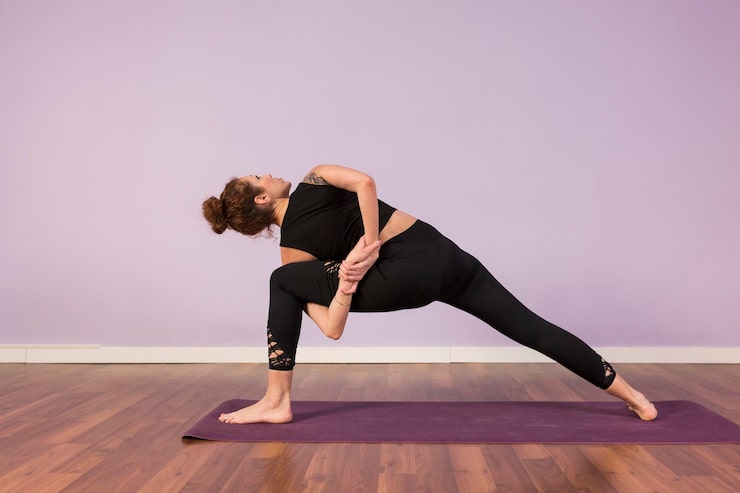
Flexibility and mobility are often overlooked until pain or stiffness interferes with daily life. Stretching therapy is a safe, effective way to restore balance, improve posture, and support long-term health. With the guidance of a trained stretch therapist, you can achieve deeper results than stretching on your own. Let’s explore how professional stretching services work, their benefits, and why they are growing in popularity.
Understanding Stretching Therapy
Stretching therapy involves assisted stretches guided by a professional. Unlike self-stretching, which may be limited by comfort or lack of knowledge, a therapist helps you achieve optimal positions safely. The approach is designed to:
- Relieve tightness in muscles and joints
- Improve circulation and recovery
- Enhance flexibility and strength
- Support overall movement and posture
Benefits of Working with a Stretch Therapist
Professional stretching is tailored to individual needs. Here are some of the major benefits:
Boosts Mobility and Flexibility
Guided stretches lengthen tight muscles and restore joint mobility. This allows you to move more freely in daily activities and reduce the risk of injury.
Enhances Recovery and Athletic Performance
Athletes benefit from assisted stretching because it reduces soreness, improves range of motion, and helps muscles recover more quickly.
Provides Pain Relief
Whether you experience back pain, stiff shoulders, or sore hips, stretching therapy targets specific problem areas to reduce discomfort and restore function.
Improves Posture and Alignment
Many posture issues are caused by muscle imbalances. Assisted stretching restores balance by loosening tight areas and supporting better alignment.
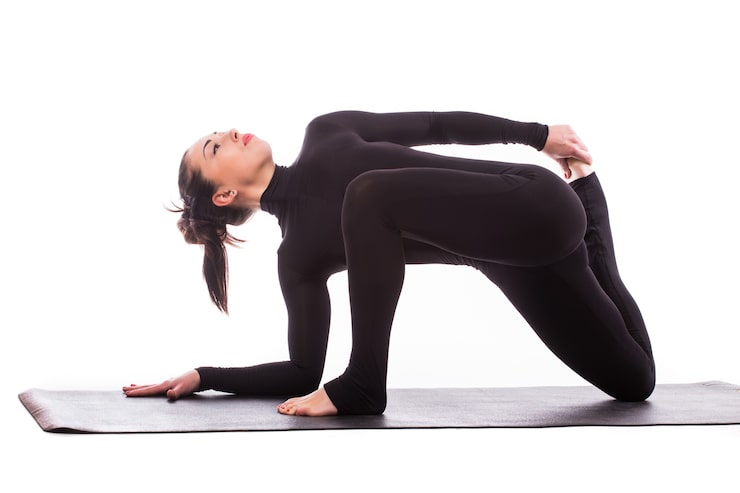
Why Assisted Stretching Outperforms Self-Stretching
While home stretching is useful, it often falls short. A therapist applies controlled pressure and ensures proper form to achieve a deeper stretch without risk of strain. This makes the process safer and more effective than stretching alone.
Who Needs Stretching Therapy?
Almost anyone can benefit from assisted stretching, including:
- Office workers who sit for hours daily
- Seniors who want to maintain mobility
- Fitness enthusiasts and athletes
- People living with chronic pain
- Those seeking relaxation and stress relief
What Happens in a Stretching Session?
During a session, your therapist assesses your flexibility and designs a program based on your needs. They guide you through controlled stretches that improve comfort, mobility, and posture. Over time, sessions help retrain your body for healthier movement patterns.
Full Body Stretching for Overall Wellness
Focusing on a single muscle group is helpful, but incorporating full body stretching creates balance across your entire system. It supports proper posture, eases muscle imbalances, and ensures your whole body works together efficiently. This holistic approach is ideal for anyone wanting lasting wellness benefits.
Stretching Therapy as Preventive Care
Stretching is not only about recovery; it’s also preventive. Regular therapy keeps muscles flexible, reduces stress on joints, and prevents stiffness before it becomes a problem. This makes it a smart investment in long-term health.
Why Choose a Professional Stretching Studio
Professional studios offer a comfortable, supportive environment with trained specialists. Choosing an experienced therapist ensures that every session is safe, personalized, and effective for your unique needs.
Conclusion
Stretching therapy provides a natural way to reduce pain, improve flexibility, and enhance well-being. With the guidance of a professional, you can experience deeper stretches, better posture, and long-lasting results. Whether you’re an athlete, a desk worker, or simply want to move with ease, stretching therapy is a valuable addition to your health routine.
FAQs
- How long does a typical stretching session last?
Most sessions last between 30 to 60 minutes, depending on individual needs. - Can assisted stretching replace exercise?
No, but it complements exercise by improving flexibility, reducing injury risk, and aiding recovery. - Is stretching therapy suitable for beginners?
Yes, therapists customize sessions to your comfort and ability, making it safe for beginners and experienced individuals alike.