

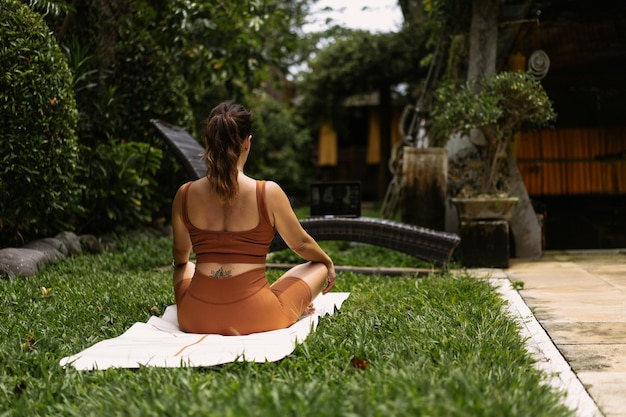
A carefully designed wellness retreat offers individuals the opportunity to step away from daily stress and focus on emotional healing and inner balance. In modern life, constant responsibilities and emotional pressure often leave little time for reflection. Retreat programs create a supportive environment where people can reconnect with themselves, explore personal challenges, and build healthier emotional habits.
The True Purpose of a Wellness Retreat
A wellness retreat is more than a break from routine. It is an intentional experience created to support mental clarity, emotional renewal, and personal development. Unlike a vacation, retreats follow a structured program that includes guided reflection, mindful practices, and opportunities for emotional growth.
Participants are encouraged to slow down and listen to their inner needs. This process allows individuals to gain insight into their thoughts and emotions while developing tools that promote long-term well-being.
Why Emotional Healing Requires Time and Space
Emotional healing cannot be rushed. Daily life is filled with distractions that make it difficult to process feelings fully. Retreats provide quiet, dedicated time for self-exploration without pressure or interruption.
Studies in emotional health suggest that focused reflection improves clarity and reduces anxiety. A retreat environment removes common stressors and replaces them with routines that support emotional awareness and inner calm.
Trauma-Informed Approaches to Healing
Trauma-informed retreats are built on the principles of safety, respect, and empowerment. These programs recognize that healing looks different for every individual. Participants are encouraged to engage at their own pace and choose activities that feel supportive.
Common retreat practices include gentle movement, mindfulness exercises, guided breathing, and group discussions. These methods help regulate emotional responses and create a sense of stability during the healing process.
The Influence of Environment on Wellness
The setting of a retreat plays a significant role in emotional renewal. Many programs take place in peaceful natural locations where quiet surroundings promote relaxation and focus. Nature has been shown to reduce stress and improve mood, making it easier for participants to reflect and restore balance.
Spending time in calm spaces encourages mindfulness and presence. Simple activities such as walking outdoors or sitting in silence often become moments of deep insight and emotional release.
Community and Shared Healing Experiences
One of the strongest elements of a retreat is the sense of connection it creates. Participants come together with shared goals of healing and growth. Group sessions and shared reflections foster understanding and compassion.
This supportive atmosphere reduces feelings of isolation and builds emotional strength. When people realize they are not alone in their struggles, they often feel more open to healing and self-expression.
Learning Tools for Everyday Life
A wellness retreat is not only about the experience itself but also about what participants take home. Programs often teach practical skills such as emotional awareness, breathing techniques, stress management, and reflective journaling.
These tools are designed to be used in daily life. Regular practice helps individuals maintain emotional balance and continue their personal growth journey long after the retreat ends.
Midway Reflection on Self-Care and Awareness
As participants progress through their retreat experience, many recognize the importance of caring for their own emotional needs. A self care retreat approach reminds individuals that rest, reflection, and emotional attention are essential parts of a healthy lifestyle.
This shift in mindset allows people to let go of guilt associated with slowing down. Learning to value balance over constant productivity becomes one of the most lasting lessons of the retreat.
Choosing the Right Retreat Experience
Selecting the right retreat begins with understanding personal goals. Some retreats focus on emotional healing, while others emphasize mindfulness or personal development. Reviewing the structure, values, and level of support offered can help ensure a good fit.
A quality retreat should feel welcoming and safe. Experienced facilitators, clear communication, and a compassionate environment are key indicators of a supportive program.
A Conversational Look at Wellness Retreat Living
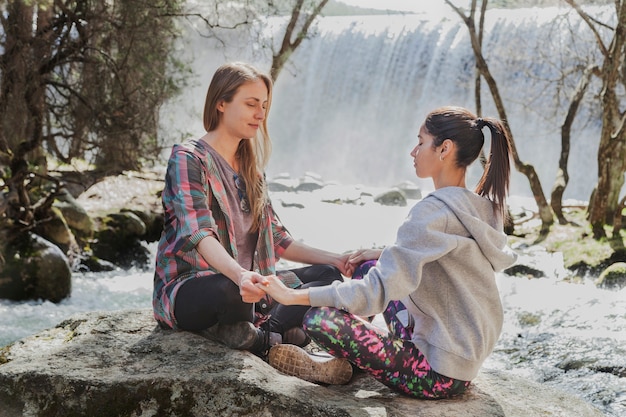
Think of a wellness retreat as a reset for your inner world. It is not about escaping life but learning how to return to it with greater awareness and confidence. This time away allows individuals to examine emotional patterns and make intentional changes.
Many participants report feeling calmer, clearer, and more motivated after completing a retreat. These results come from focused reflection and guided support rather than temporary relaxation.
Long-Term Benefits of Retreat Participation
The true value of a retreat is seen in its long-term effects. Participants often experience improved emotional regulation, healthier relationships, and stronger self-awareness. Stress management skills learned during the retreat continue to support daily life.
By practicing mindfulness and emotional awareness consistently, individuals can sustain the positive changes they began during their retreat experience.
Conclusion
Wellness retreats provide a meaningful path toward emotional healing and personal transformation. Through trauma-informed practices, peaceful surroundings, and supportive community, individuals gain clarity and balance. Whether seeking renewal or long-term growth, a retreat experience offers a foundation for lasting well-being and inner peace.
Frequently Asked Questions
What makes a wellness retreat different from a vacation?A wellness retreat focuses on emotional healing, guided reflection, and personal growth, while a vacation is mainly for relaxation and leisure.
Who should consider attending a trauma-informed retreat?Anyone seeking emotional renewal, stress relief, or deeper self-understanding can benefit from a trauma-informed retreat.
How can retreat lessons be applied after returning home?Participants can continue using mindfulness, journaling, and emotional awareness practices to maintain balance and personal growth in everyday life.