

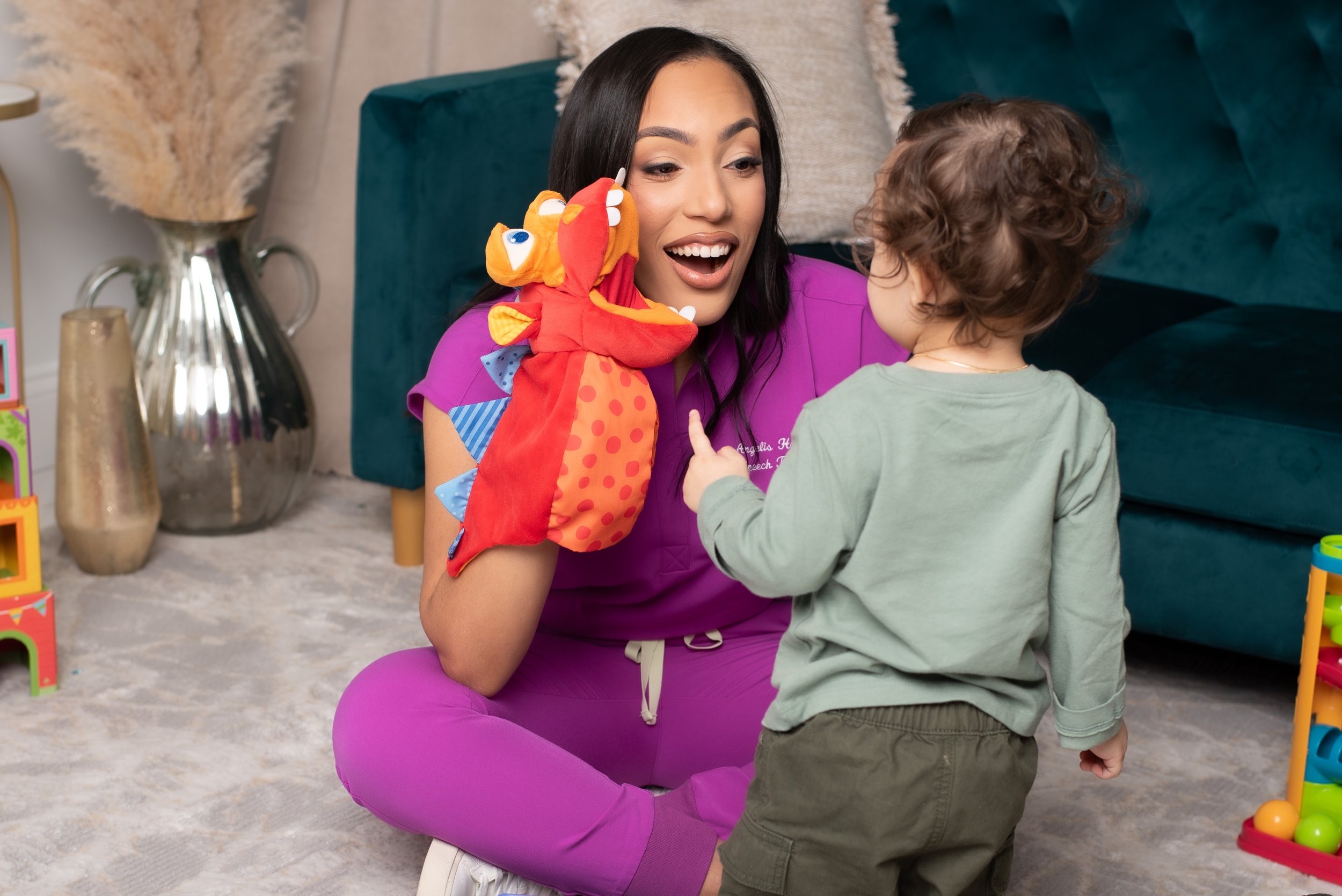
When your child struggles to say words clearly, it can raise many questions. You may hear inconsistent sounds, notice frustration during conversations, or wonder why speech development seems delayed. For many families, the answer may be Childhood Apraxia of Speech, a motor speech disorder that affects how the brain plans the movements needed for clear speech. With the right therapy and support, children can strengthen their communication skills and build lasting confidence.
What Is Childhood Apraxia of Speech?
Childhood Apraxia of Speech (CAS) is a neurological motor speech disorder. It occurs when the brain has difficulty sending accurate signals to the muscles responsible for speech. The muscles themselves are not weak, but the coordination required to produce clear sounds is disrupted.
Children with CAS often understand language well. However, they may struggle to produce words consistently. One day a word may sound clear, and the next day it may be distorted. Speech may appear effortful, and longer words can be especially challenging. Because speech requires precise timing and sequencing, small planning errors can significantly affect clarity.
Signs Parents Should Watch For
Early recognition plays a crucial role in progress. Parents may notice limited babbling during infancy, difficulty imitating sounds, inconsistent pronunciation errors, or challenges combining sounds into words. Some children may simplify words, leave out syllables, or pause frequently while speaking.
Frustration is also common. A child may know exactly what they want to say but struggle to express it clearly. Over time, this can affect confidence and social participation. That is why early evaluation and individualized therapy are essential.
Why Specialized Therapy Matters
Childhood Apraxia of Speech requires a specific therapy approach. Traditional articulation therapy alone is not enough because CAS is a motor planning disorder. Effective treatment focuses on repetitive, structured practice that strengthens the brain’s ability to plan and sequence speech movements.
Therapy sessions often involve practicing carefully selected word targets multiple times using visual, auditory, and tactile cues. The goal is to build accurate motor patterns through repetition and positive reinforcement. Sessions are designed to be engaging, especially for young children, while maintaining structured motor practice.
Families searching online for Pediatric Speech Therapy Near Me ,” should look for therapists experienced in motor speech disorders. An individualized plan ensures therapy is tailored to your child’s strengths, challenges, and communication style.
The Importance of Family-Centered Care
Family-centered therapy empowers parents to become active partners in their child’s progress. Because children benefit from frequent practice, incorporating speech targets into daily routines strengthens learning.
For example, practicing simple functional words during playtime or mealtime provides meaningful repetition. Short, consistent practice moments are often more effective than long, infrequent sessions. When caregivers understand how to cue and support speech attempts, progress accelerates.
Family-centered care also reduces stress by providing clear guidance and realistic expectations. Parents feel supported, and children feel encouraged rather than pressured.
A Neurodiversity-Affirming Approach
A neurodiversity-affirming practice recognizes that communication differences are part of human diversity. Therapy should focus on enhancing communication, not changing a child’s personality or natural expression.
Child-led sessions increase engagement and trust. When children feel safe and respected, they participate more actively. Motivation plays a key role in motor learning, so incorporating a child’s interests into therapy sessions supports better outcomes.
In-home therapy services can further enhance comfort and participation. Familiar environments allow children to practice skills naturally within everyday activities. This real-life application strengthens generalization of speech skills beyond structured sessions.
Addressing Related Communication Needs
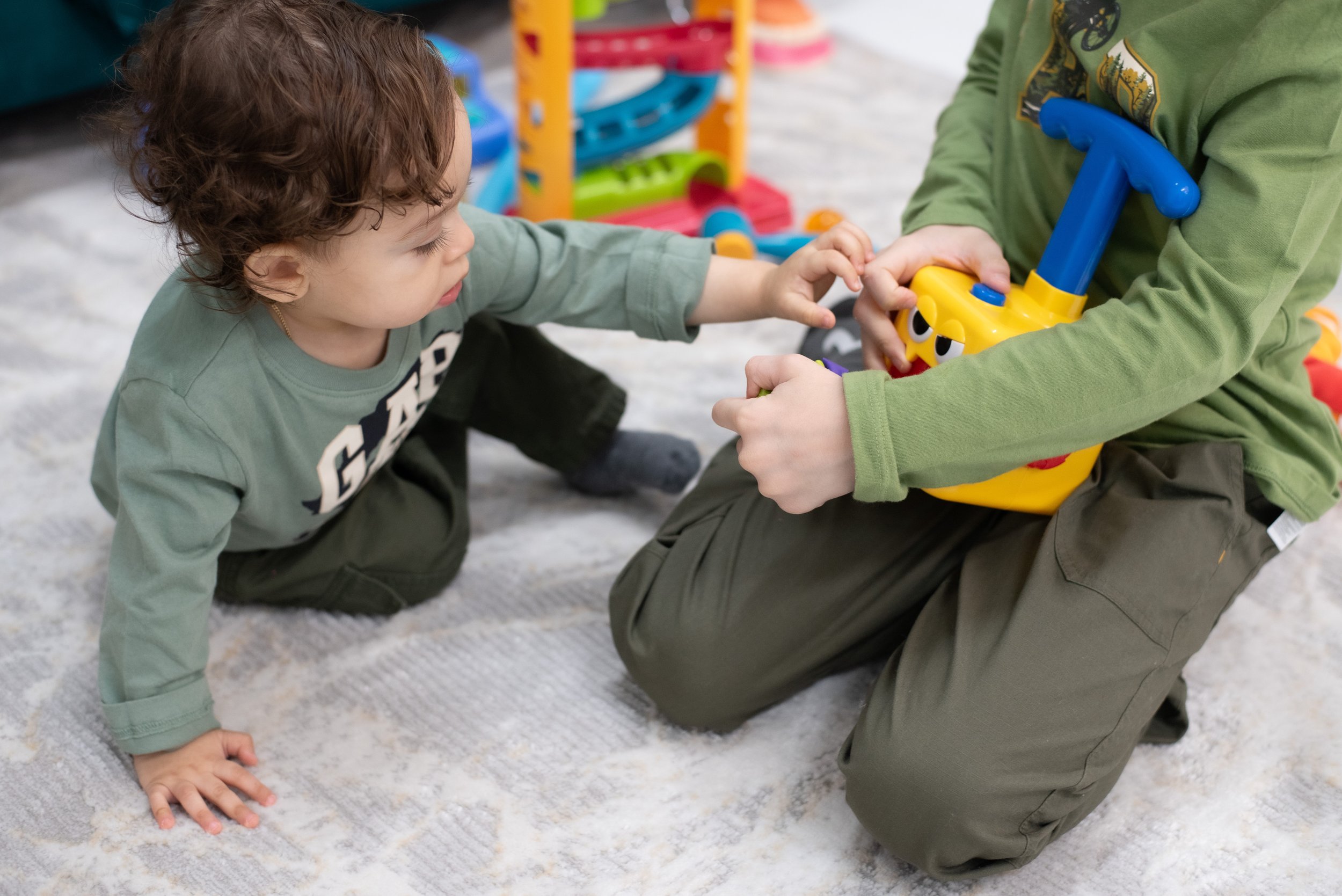
Children with Childhood Apraxia of Speech may also experience additional communication challenges. These can include articulation disorders, early language delays, literacy concerns, stuttering, or the need for Augmentative and Alternative Communication systems.
A comprehensive therapy plan considers all aspects of communication. Supporting vocabulary development, sentence formation, and early literacy alongside motor speech work creates a strong foundation. For some children, AAC tools provide valuable support while speech skills continue developing. These supports do not replace speech but enhance overall communication and reduce frustration.
Setting Realistic Expectations
Progress in Childhood Apraxia of Speech takes time. Because therapy focuses on rewiring motor planning pathways, improvement is gradual. Consistency, repetition, and collaboration between therapist and family are essential.
Children often show small but meaningful gains first, such as clearer production of specific sounds or improved word consistency. Over time, these gains build into stronger overall speech clarity. Celebrating small milestones keeps motivation high and reinforces effort.
Parents should remember that each child’s journey is unique. Comparing progress to other children can create unnecessary pressure. Instead, focus on steady improvement and confidence growth.
Taking the First Step
If you suspect your child may have Childhood Apraxia of Speech, scheduling a comprehensive evaluation is the first step. A detailed assessment reviews speech sound production, motor planning abilities, language skills, and overall communication strengths.
After assessment, a personalized therapy plan is developed. The frequency and intensity of sessions depend on your child’s needs. Regular monitoring ensures goals remain appropriate and progress continues.
Early action makes a difference. With the right guidance, children with Childhood Apraxia of Speech can develop clearer speech patterns and stronger communication skills that support academic and social success.
Conclusion
Childhood Apraxia of Speech can feel overwhelming at first, but with specialized therapy and family involvement, meaningful progress is possible. A child-led, neurodiversity-affirming approach builds not only speech clarity but also confidence and self-expression. By taking early steps and choosing individualized care, parents can help their children find their voice and communicate with greater ease.
Frequently Asked Questions
1. Can Childhood Apraxia of Speech improve without therapy?
While some mild speech delays may resolve naturally, Childhood Apraxia of Speech typically requires structured, specialized therapy for significant improvement.
2. How often should therapy sessions occur?
Many children with CAS benefit from frequent sessions, especially in the early stages. The exact schedule depends on the severity and individual needs.
3. Is AAC recommended for children with CAS?
Yes. Augmentative and Alternative Communication tools can support communication while speech skills are developing and reduce frustration.