

Quick Answer: Peptides for weight loss are short chains of amino acids that signal the body to burn fat, regulate appetite, or boost growth hormone secretion. Peptides like CJC-1295, Ipamorelin, and AOD-9604 have shown measurable fat-loss results in clinical settings. They work best as part of a supervised, individualized plan, not as a standalone fix.
You can follow a near-perfect diet, train five days a week, and still feel like your body is working against you. That gap between effort and results is frustrating, and for a lot of people, it’s not laziness or discipline. It’s biochemistry. Peptide therapy is one of the tools that practitioners like Dr. Joseph F. Thomas, DO, MBA are using to close that gap, not by replacing healthy habits, but by giving the body better signals to work with.
This breakdown covers what the research actually says, which peptides are used for fat loss, and what realistic expectations look like.
What Are Peptides and Why Do They Affect Body Composition?
Peptides are short chains of amino acids. They’re smaller than proteins and are found naturally throughout the human body, where they act as signaling molecules that tell cells what to do. Some regulate hunger. Others trigger the release of growth hormone. A few specifically target fat cells.
What makes therapeutic peptides different from, say, a protein supplement is precision. A protein shake gives your body raw material. Peptides send targeted instructions. That distinction matters when the goal is fat loss specifically, not just caloric manipulation.
The growth hormone axis is where most weight-focused peptides operate. Growth hormone secretagogues (GHS) like CJC-1295 and Ipamorelin stimulate the pituitary gland to release more growth hormone naturally, which in turn raises IGF-1 levels. Higher IGF-1 is associated with improved body composition, reduced visceral fat, and better muscle retention during a caloric deficit.
Which Peptides Are Used for Fat Loss? A Practical Breakdown
Not all peptides do the same thing. Here are the ones most commonly used in clinical weight loss contexts, along with what the evidence actually shows.
CJC-1295 and Ipamorelin
This combination is the most popular pairing in supervised peptide protocols. CJC-1295 is a GHRH analogue that extends the half-life of growth hormone release. Ipamorelin is a ghrelin mimetic that triggers GH pulses without causing significant cortisol or prolactin spikes, which older secretagogues like GHRP-6 were known to do.
The practical effect is a more sustained, cleaner elevation in growth hormone output. Patients using this stack under physician supervision typically report improvements in sleep quality, body fat distribution, and recovery within 8 to 12 weeks. Results vary significantly based on baseline hormone levels, diet, and activity.
AOD-9604
AOD-9604 is a fragment of human growth hormone (specifically, the C-terminal fragment) designed to mimic the fat-metabolizing effects of HGH without influencing blood sugar or IGF-1 levels. A 2001 study published in the American Journal of Physiology showed it reduced fat mass in obese mice without affecting lean mass. Human trials have been more limited, but clinical practitioners report it as a lower-risk addition to fat-loss protocols.
Semaglutide and Tirzepatide (GLP-1 Peptides)
These get their own category because they work through a different mechanism entirely. GLP-1 receptor agonists reduce appetite at the hypothalamic level and slow gastric emptying. The New England Journal of Medicine published data showing semaglutide produced an average weight loss of 14.9% of body weight in non-diabetic adults over 68 weeks. That’s not a minor effect.
The Other 23 Wellness offers a structured GLP-1 therapy program that pairs these peptides with metabolic monitoring. The peptide works best when it’s part of a broader protocol, not used alone.
What Most People Get Wrong About Peptide Therapy
Here’s the thing most people miss: peptides aren’t a shortcut. They’re a leverage tool. If your sleep is consistently broken, your cortisol is chronically elevated, and you’re eating in a way that spikes blood sugar every few hours, adding peptides will produce modest results at best.
Peptide therapy works best as a complement to optimized lifestyle factors, not a replacement for them. Patients who see the strongest outcomes are those who come in with a reasonable baseline in sleep, nutrition, and movement, and use peptides to break through a physiological plateau.
Physicians practicing functional or integrative medicine tend to do blood panels first, assessing IGF-1, fasting insulin, cortisol, thyroid function, and sex hormones before prescribing any peptide protocol. That context determines which peptide is appropriate, at what dose, and for how long.
Are There Risks or Side Effects Worth Knowing?
Short-term side effects with injectable growth hormone secretagogues are generally mild: water retention in the first few weeks, occasional mild fatigue, and injection site irritation. These typically resolve.
The more meaningful risks come from unsupervised use. Peptides bought from research chemical suppliers online are not pharmaceutical grade, and dosing without lab work to guide it can produce suboptimal or counterproductive results. This is the strongest argument for working with a licensed physician who monitors bloodwork throughout the protocol.
Dr. Thomas at The Other 23 Wellness runs bloodwork before and during every peptide protocol, adjusting based on how each patient’s body responds. That kind of oversight is not optional, it’s what separates therapeutic use from experimentation.
Peptides vs. Other Weight Loss Interventions
So how do peptides compare to other approaches?
Peptides vs. caloric restriction alone: Caloric restriction works but is rarely sustainable long-term. Peptides, particularly GLP-1 agents, reduce the neurological drive to overeat, making adherence significantly easier for most people.
Peptides vs. traditional fat burners: Most OTC thermogenic supplements increase heart rate and rarely produce measurable fat loss beyond placebo. Growth hormone secretagogues operate through a fundamentally different mechanism that doesn’t rely on stimulant effects.
Peptides vs. bariatric surgery: Surgery produces more dramatic short-term results but carries procedural risks and requires permanent dietary changes. Peptide therapy is reversible and, for many patients, can achieve comparable metabolic improvements over a longer timeline with fewer risks.
Frequently Asked Questions
Q: How long do peptides for weight loss take to work?
Most patients notice changes in body composition, sleep quality, and energy within 6 to 12 weeks when using growth hormone secretagogues. GLP-1 peptides can produce appetite changes within days. Meaningful fat loss typically takes 3 to 6 months with consistent use.
Q: Do peptides for weight loss require injections?
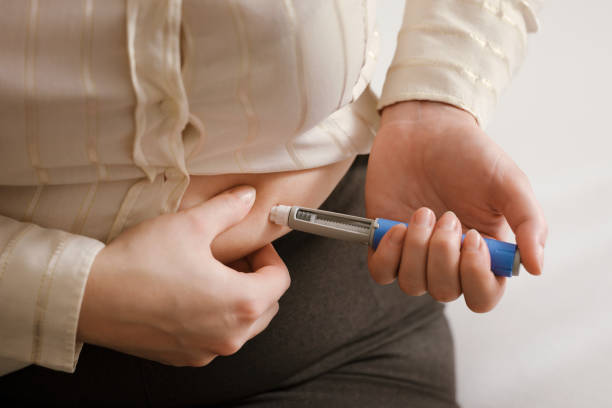
Most therapeutic fat-loss peptides are administered subcutaneously, typically once daily or a few times per week. Some oral and intranasal formats exist but are less well-studied for bioavailability.
Q: Is peptide therapy FDA-approved for weight loss?
GLP-1 medications like semaglutide (Wegovy) are FDA-approved specifically for weight management. Most growth hormone secretagogues are prescribed off-label by physicians for body composition optimization. They’re legal and widely used but not FDA-approved for that specific indication.
Q: Can women use peptides for weight loss?
Yes. Both women and men use peptide protocols for fat loss. Dosing and timing may differ, and women who are pregnant or nursing should not use peptide therapy. Hormonal baseline testing is especially relevant for women in perimenopause or menopause.
Q: What happens when you stop taking weight loss peptides?
With GLP-1 agents, appetite typically returns to baseline gradually after stopping. With growth hormone secretagogues, the pituitary resumes its normal baseline output. Maintaining results long-term requires continued lifestyle adherence. Some patients cycle peptide use seasonally.